-
God of War Ragnarok: Game of the Year?
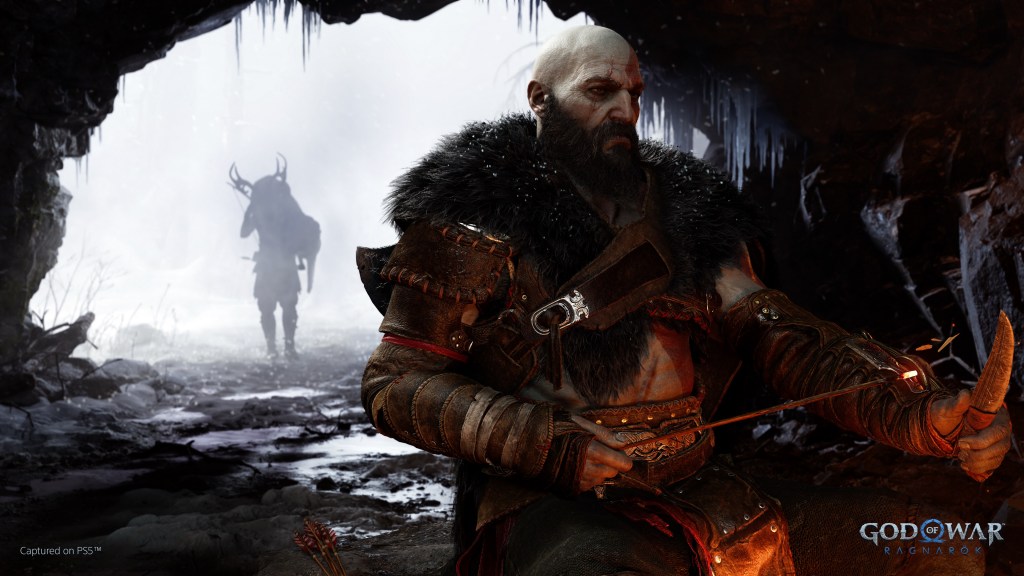
Photo by Santa Monica Studios Let me start by saying that God of War Ragnarok is a good game and you should play it. It’s definitely not one to miss. Most outlets seem to be giving it a 10/10; I wouldn’t go that far, I’d probably stick it at a 9, with its predecessor at a 10.
As of right now, I have played through the majority of the game and finished the entirety of the story and the majority of the side quests. I’m mainly hung up on the two big endgame bosses, Gna and Hrolf. And let me tell you, they are tougher than anything in God of War (2018).
Additionally, this isn’t a comprehensive review, just a couple of notes that I had banging around. I suppose you could always just talk to me if you want to hear more or discuss.
First off, I have some nitpicks about the controls. Nothing too crazy, but I felt that it overcomplicated after God of War (2018). The new weapon of the Draupnir Spear was great, but I felt the triangle for the charge up actions on all three weapons was overkill and cluttered the controls a bit. I also found myself missing the barehanded fighting from 2018. It was there, but felt like it had very much hit the sidelines.
I loved the addition as Freya as a companion. She was great and the conversations between her, Mimir, and Kratos were some of my favorites of the year.
But my biggest hangup was the narrative. One of the strengths of God of War (2018) was the tightness. It was wholly centered around Atreus and Kratos’ relationship. It was a lean machine that was doing everything exactly on purpose.
Ragnarok did the opposite. It went from an intimate fantasy story about a father and son with an epic fantasy in the background to an epic fantasy in the forefront with an attempted intimate story in the background. And it just wasn’t my favorite.
Due to my familiarity with the epic fantasy genre, I was just bored with the scale that SMS was trying to create with Ragnarok. I wanted those intimate moments between characters, which were there, but they were undercut by the extreme amount of new characters that were added.
Not to mention they retconned all of the interesting Jormungandr stuff from the first game.
All in all, it’s still a very good game and I would highly recommend it, but Game of the Year?
Probably not. My bet is that it swings to Elden Ring (which I do believe is a 10/10). Ragnarok just kept the ball rolling from its previous game that was revolutionary (and God of War very rightly won Game of the Year) whereas Elden Ring presented something else that was completely revolutionary, opening the broader gaming audience to Soulslikes.
I just want to say it again, Ragnarok is phenomenal, and I haven’t enjoyed playing a game this much since Elden Ring. Check it out, you’ll have a great time!
-
A Quick God of War (2018) Reflection Before Ragnarok
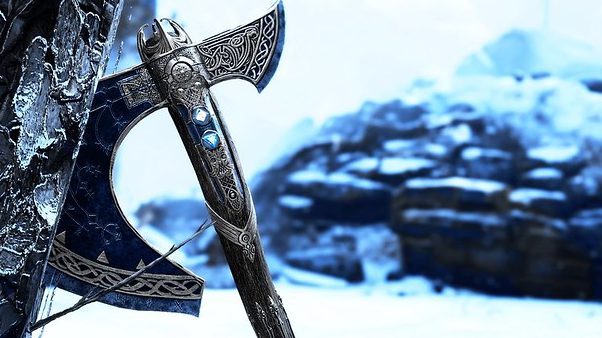
Photo by Ian L. Growing up, we didn’t have a lot of video games in the home. When I was fourteen, I pirated (I’m sorry, I’ve bought it twice since) Skyrim onto our family’s iMac and would play it when no one was home.
I was astounded that I could create my own character (Arcturus the High Elf Mage, thank you very much) and go through a well-written story with him. And trust me, I did. Many times.
I played that game as often as I could until I turned 18 and moved out into my own place. And there, in the dimly lit, brick-walled, motel room, did I meet Kratos. In his sympathy for me moving out, a good friend loaned me his PS4 for a week. The only game with it?
God of War.
I was astounded by the gameplay (a bit of a 180 from Skyrim) and the incredibly well-written and acted story that went on screen. The relationship between Kratos and his son, Atreus, felt more real than most movies I had seen.
It was especially poignant and will forever have a home with me to the familial issues I was dealing with at the time. Kratos was trying his best and so was Atreus and the bond they formed felt so authentic. I just couldn’t put it down.
Following the pair’s journey to the highest point in the realm, waylayed by gods and monsters alike, was a high-point of the year, and the story is one I have revisited at least once a year since.
I don’t want to go too much deeper into it, because that time will next week after I have played the much-awaited sequel, God of War: Ragnarok.
What can I say?
I’m hyped.
-
House of the Dragon and the Continuation of Westerosi Television
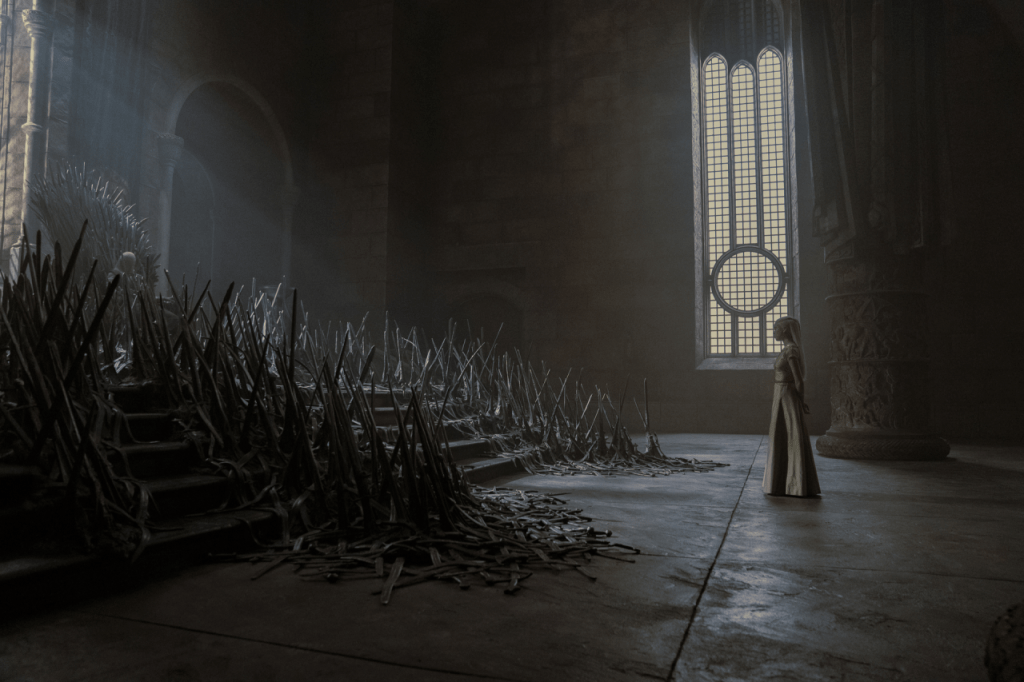
Photo: Olly Upton/HBO George R. R. Martin’s Westeros has been on my mind for the past few weeks. When House of the Dragon launched, I watched it in the living room of our townhome, with my wife, Aubrey peeking her head in every once in a while. Her interest in House of the Dragon led us to watch the entirety of Game of Thrones, which she had never seen before.
It seemed rather fitting that we watched the GoT Season 8 finale, ‘The Iron Throne,’ two days before the HotD Season 1 finale (Aubrey hasn’t watched HotD yet). I have many thoughts after my rewatch of GoT, but I will address them later.
Anyway, on to House of the Dragon. Fair warning, there are spoilers coming up, for the television show, Fire and Blood, A Song of Ice and Fire, and other George R. R. Martin works.
An additional addendum. I am by no means an expert in A Song of Ice and Fire lore. I have read through the majority of Martin’s Westeros-related books once and have yet to revisit them (though I plan to, they are very fun), so I do apologize if I get anything atrociously wrong. I am trying my best.
Let me start with my initial thoughts. I found House of the Dragon to be very good, but maybe not up to the echelon that was the first season of Game of Thrones. Overall, I would give it an 8 out of 10. Really, really solid show, one of the best of the year.
I have a handful of gripes, none of which are substantial. Of course, there was the episode when Aemond first rode Vhagar which was incredibly dark (the battle of Winterfell problem), that was more frustrating than anticipated. But my biggest issue was with the time skips.
Looking at this from the source material, I understand the reasoning behind having it. It allowed them to cover a lot of ground that otherwise would be impossible. Unfortunately, they just cast too well. Young Rhaenyra (Milly Alcock) and young Alicent (Emily Carey).
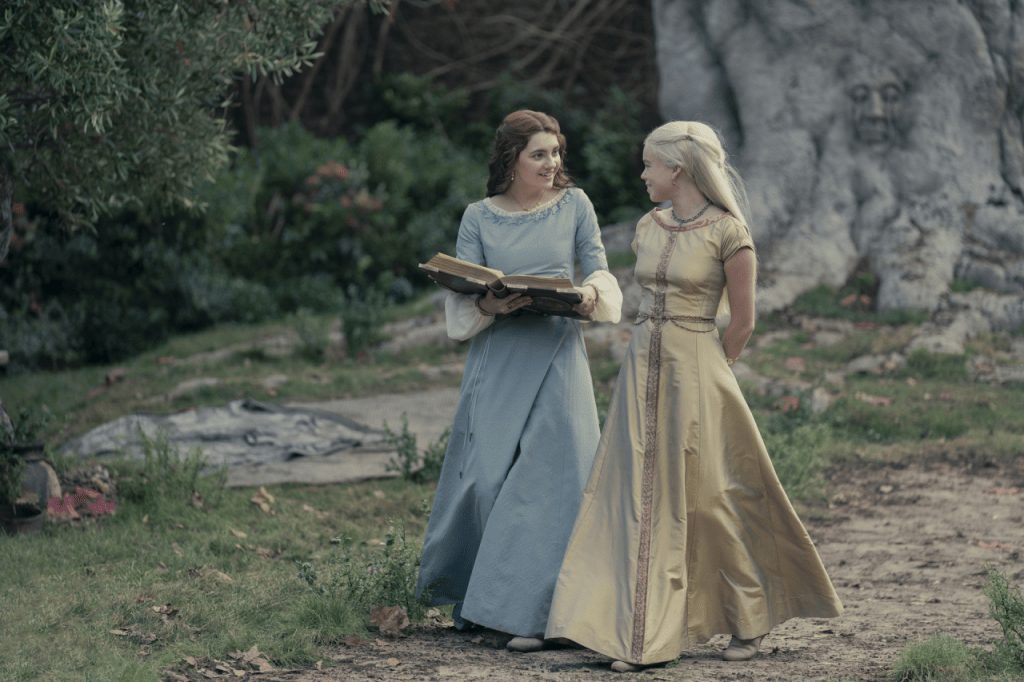
Photo: Olly Upton/HBO Let me start with Milly. What a performance! I’ll be honest, in the first episode, I was not entirely sold, but as the episodes went on I was so invested in her plight and desire for duty. Her relationship with her father, King Viserys (thank you Paddy Considine) was absolutely wonderful, and played a wonderful foil to Otto Hightower and Alicent. Just incredible.
As for Emily Carey, she continued the trend of amazing performances. I previously had only seen her in Wonder Woman (she played young Diana) and it was really fun to watch her in a meatier role. Alicent’s frustration turned anger with her friend (let’s talk about that war dress) was so convincing as well as her unknowing (?) manipulation of the dying Viserys.
My favorite thing about the first handful of episodes was the foil work between Rhaenyra and Alicent. Their relationships with their fathers: from Viserys’ loving and trusting hand to the manipulative and cunning Hand of the King, Otto Hightower. To their relationship with sex; an incredible scene, by the way. Rhaenyra’s tryst with Criston Cole, interspersed with Alicent and King Viserys. To their relationship with duty.
And that’s what made the transition to the new actors so difficult. I loved the individuals performing the characters so much, I didn’t want them gone and it made the next to episodes rather difficult to enjoy fully.
Now, there is a lot more to talk about, from Matt Smith’s Daemon Targaryen to Olivia Cooke and Emma D’Arcy, but I want to talk about the finale briefly before I go on.
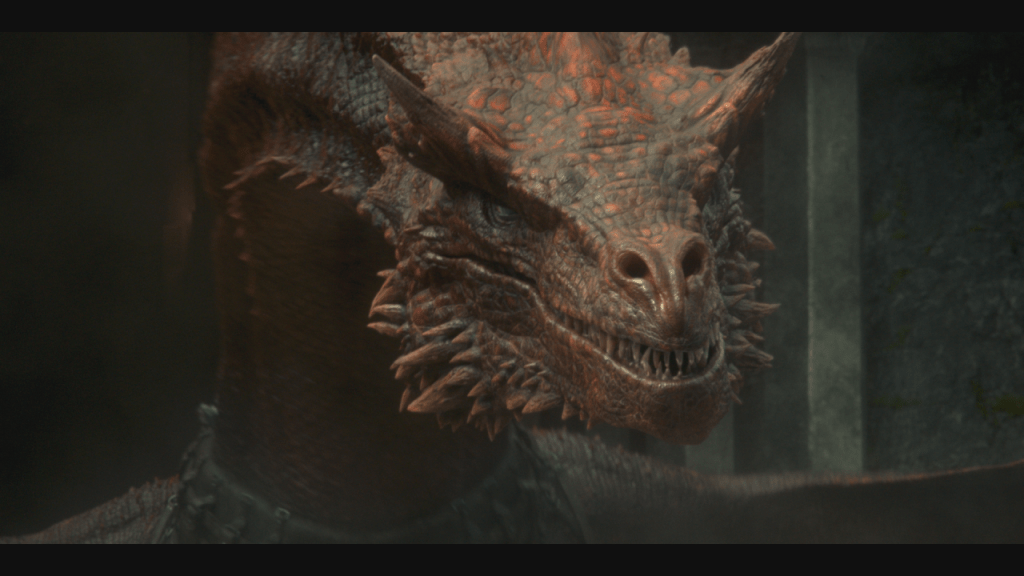
Photo: Olly Upton/HBO Overall, I thought episode ten was very good. Couple of highlights: Lucerys and Aemond losing control of their dragons. That was probably my favorite thing from the episode; it so perfectly (along with Daemon’s earlier speech) explained that this civil war ould not be won by men, it would be won by dragons. And dragons that were given to the hands of children with no ability to weild them.
Emma D’Arcy was a powerhouse (how many birth scenes has she been a part of this season?); her turn at seeing the page from Alicent, staying her hand against Otto was masterfully done and I’m very excited to see more of her (even though I miss Milly).
I thought it was really cool for the penultimate episode to be entirety be wha’s happening with the Greens and the next one being the Blacks, but I really wanted some sort of resolution, instead of them leaving us on a cliffhanger for two years. I think one more episode would have done them very well.
We could have seen Aemond’s reaction to the death of Lucerys, furthermore, we could see the rest of the reaction from the Greens and some sort of emissary that gets sent to Rhaenyra from Alicent, that the Queen (Team Black all the way) rebutts.
Overall, good finale, didn’t reach the highs I wanted, but still very enjoyable.
Seriously, I can’t get over how good the last ten minutes are. Storm’s End looks incredible, the dragon flight through the storm that would do 80’s fantasy proud. Really great time.
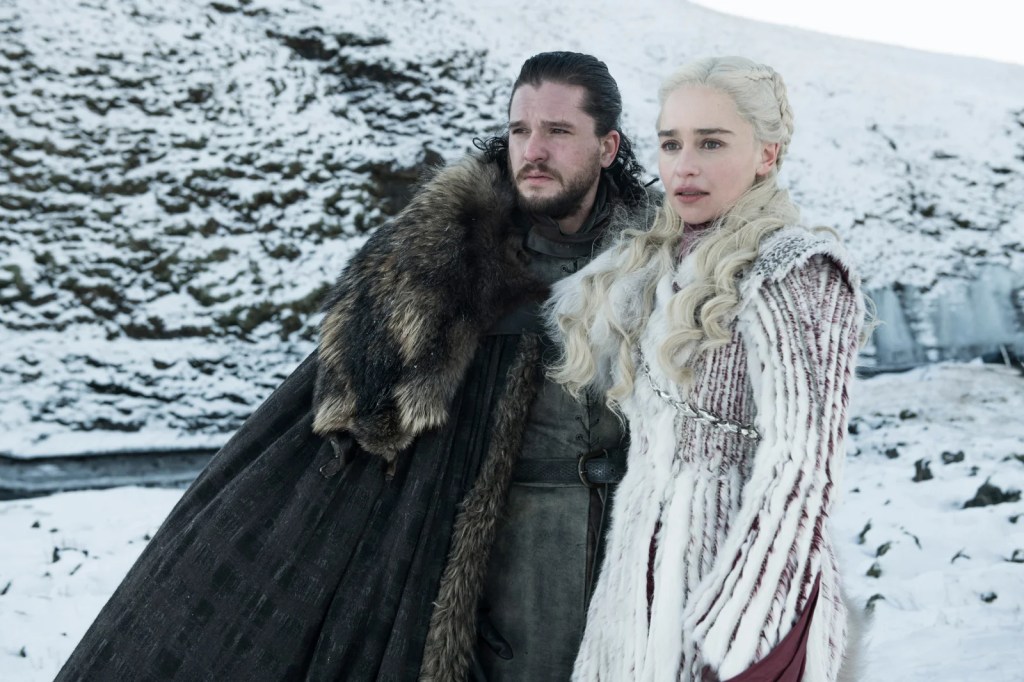
Photo: Helene Sloan/HBO So where do we go from here?
I’ll be honest. I don’t want eight seasons of the Dance of the Dragons. It’s a lot. And I don’t think HBO or Martin wants that. He recently gave an interview where he revealed their plans for House of the Dragon:
“It is going to take four full seasons of 10 episodes each to do justice to the Dance of the Dragons, from start to finish.”
– George R. R. MartinBut here’s the conundrum. I also don’t want House of the Dragon to be done in four seasons, either. So, what’s the solution?
A multi-season anthology series.
Alright, hear me out. In the first four seasons we have Dance of the Dragons, then what? We hop a couple of years, similar to season one of HotD, and follow Rhaenyra’s son (now a bit older), Aegon III, and the absolute madness that was going on with all of the regents while he was a boy. These seasons (two to four) would feel a lot more like the initial seasons of Game of Thrones, leaning very heavily into the political machinations of Westeros and the aftermath of a heavy civil war.
“Seven regents were six too many. Pity our poor king.”
– Mushroom, Fire and Blood, George R. R. MartinFrom there, I’m initially split. Do we jump forward chronologically and go to the next person to sit on the Iron Throne? I’m of the opinion that we should jump a little further. Up to our boy, the master Maester, Aemon Targaryen. This time focus on the young boy, barely in line to be king, and his struggle to find purpose, before he volunteers to go to the Wall.
After one season of that, jump forward like 50-60ish years, then we hit the real OG, the Mad King and his son Rhaegar, along with Roberts Rebellion, ending the show with Jaime Lannister plunging his sword through the Mad King’s back, ending the Targaryen line, for a time, in Westeros.
I think that approaching the show as an anthology series about different generations of Targaryens would be really fun, open up for a lot of spin-off series (you know HBO is looking at that), and would be great for the audience.
Also, I really want to see Robert’s Rebellion on screen.
Please.
Give it to me.
-
Subscribe
Subscribed
Already have a WordPress.com account? Log in now.
 Blog
Blog 